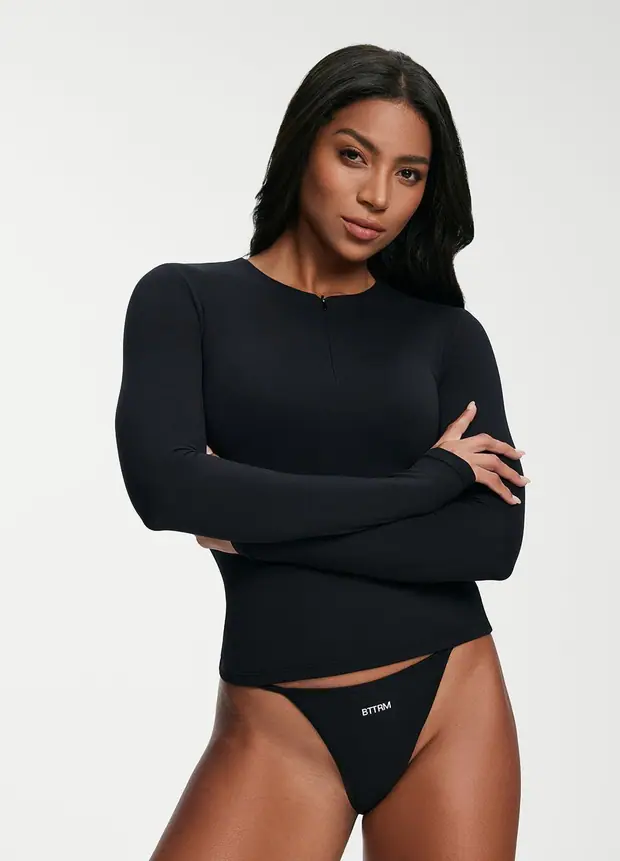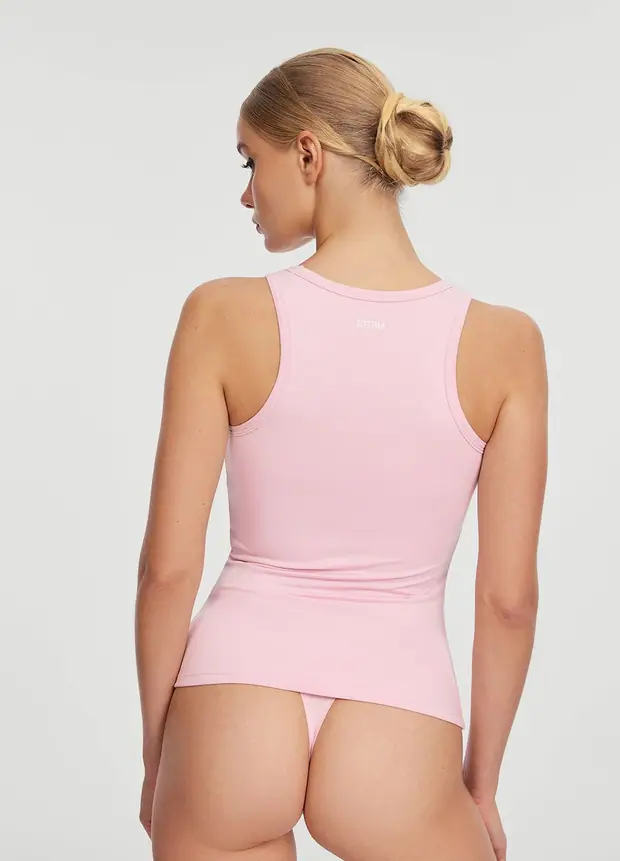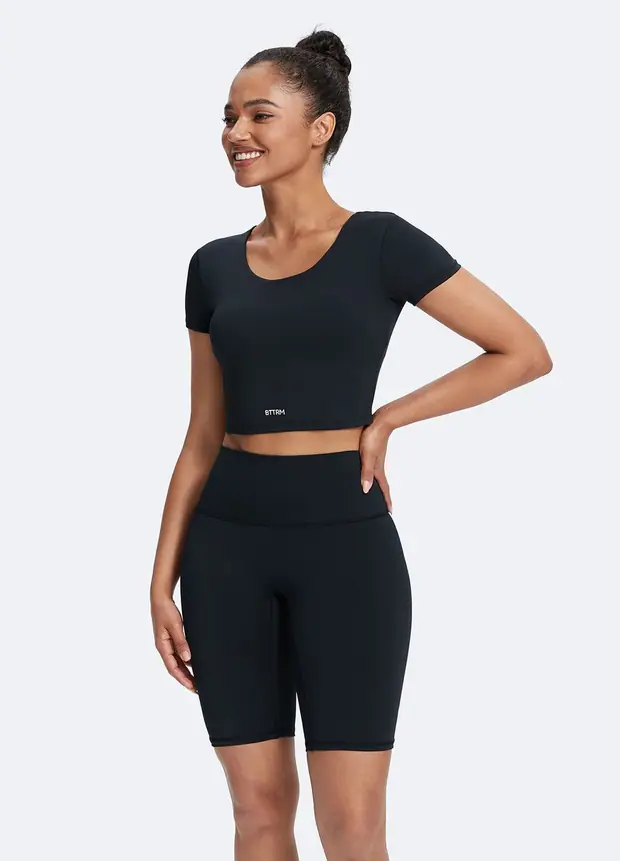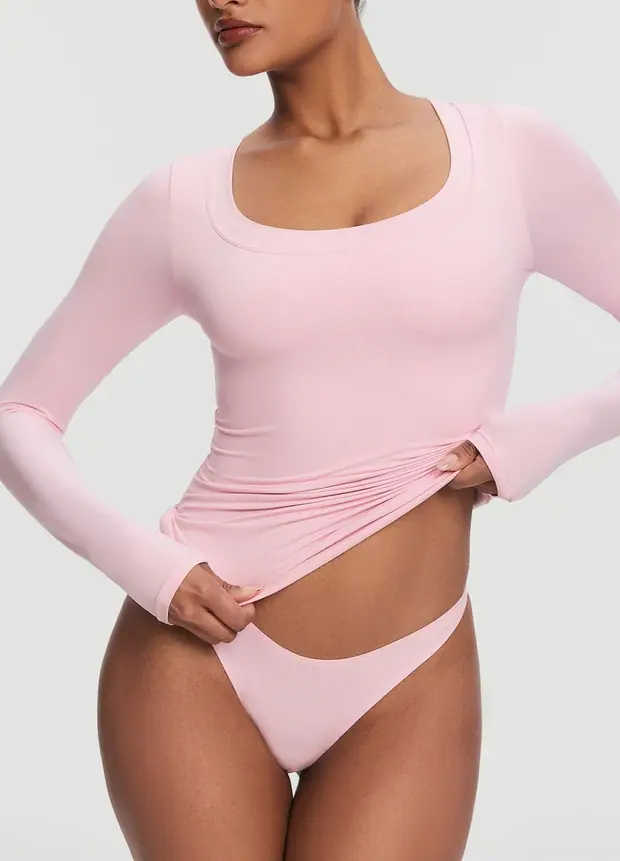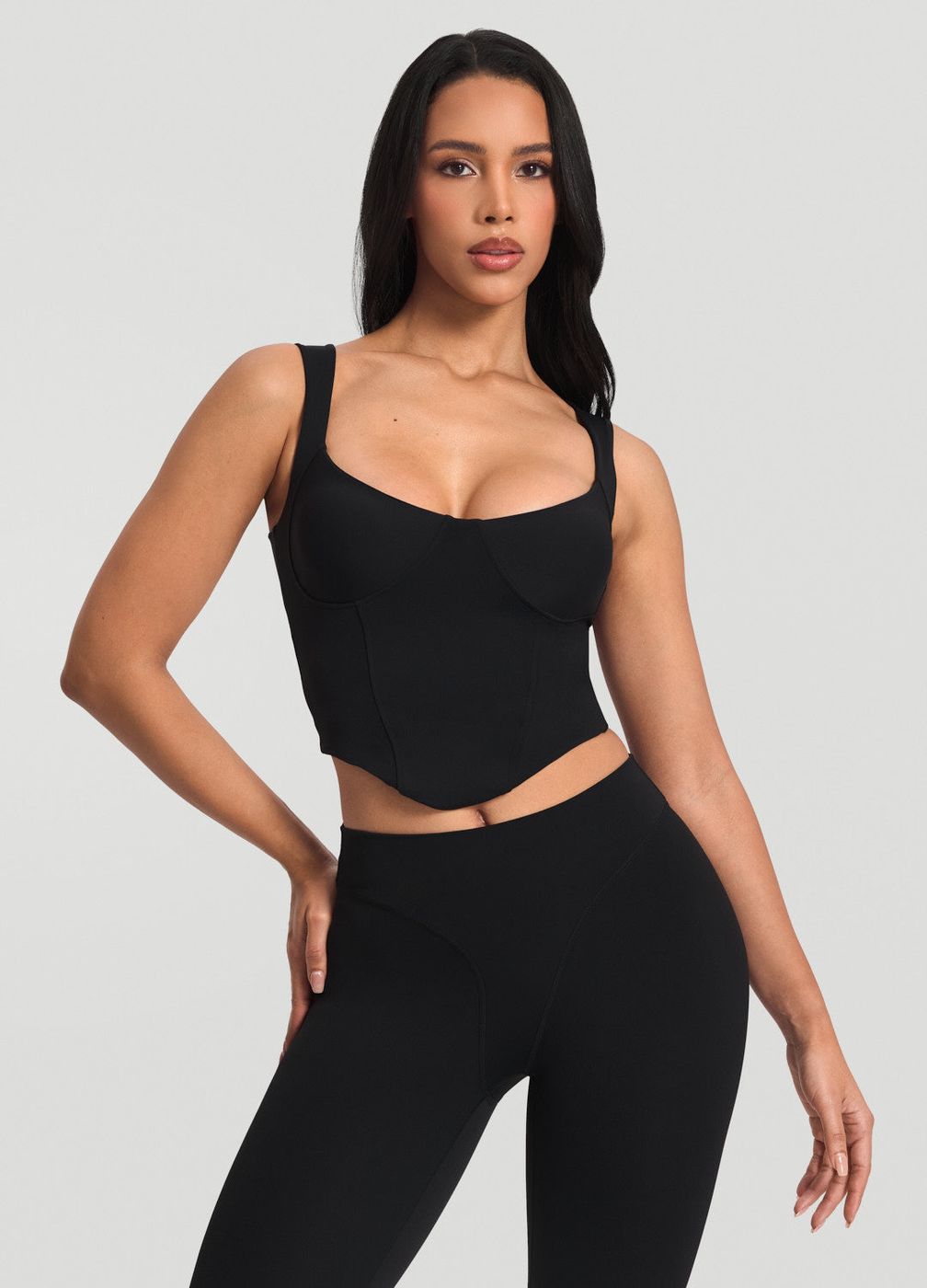
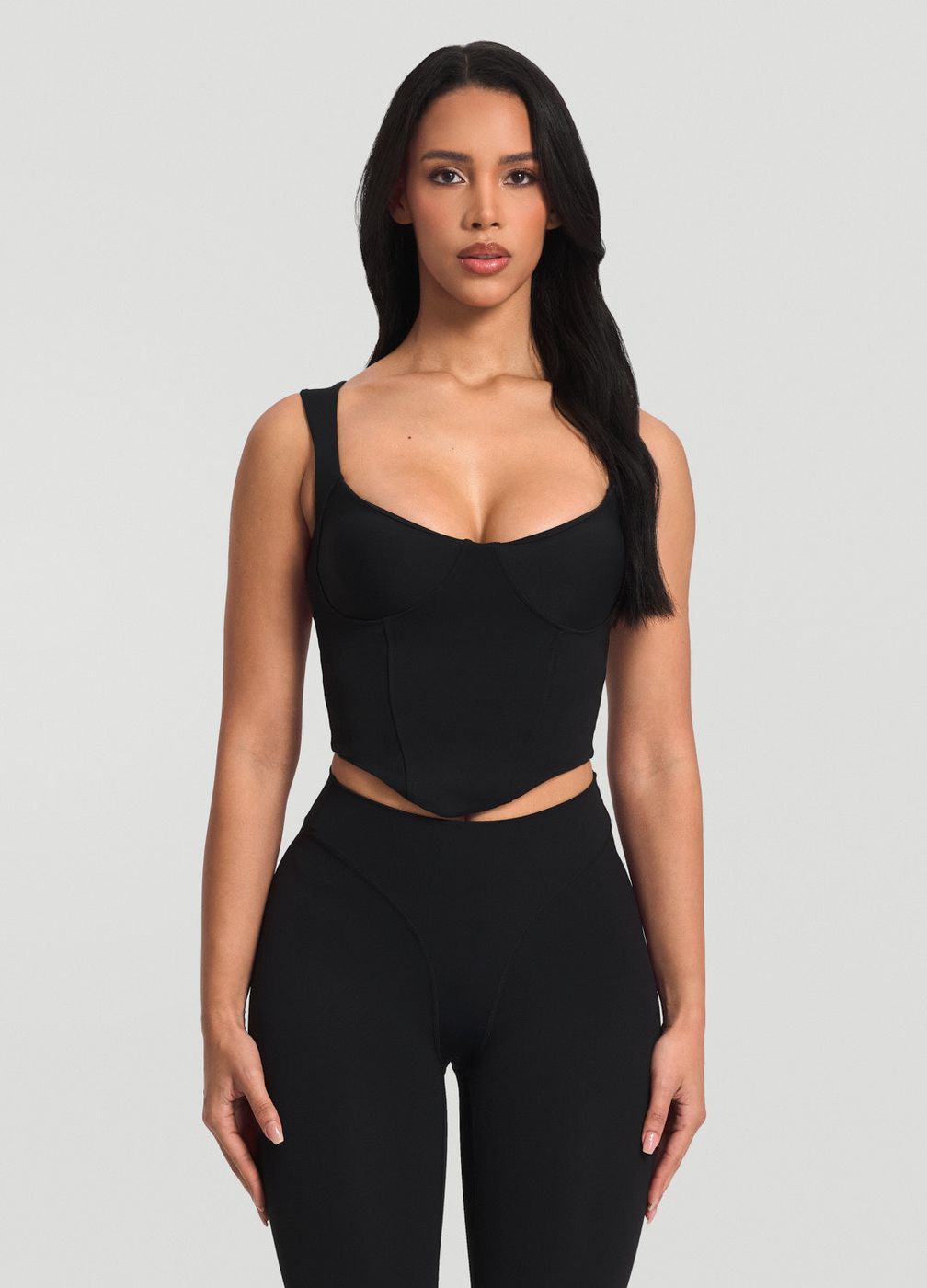
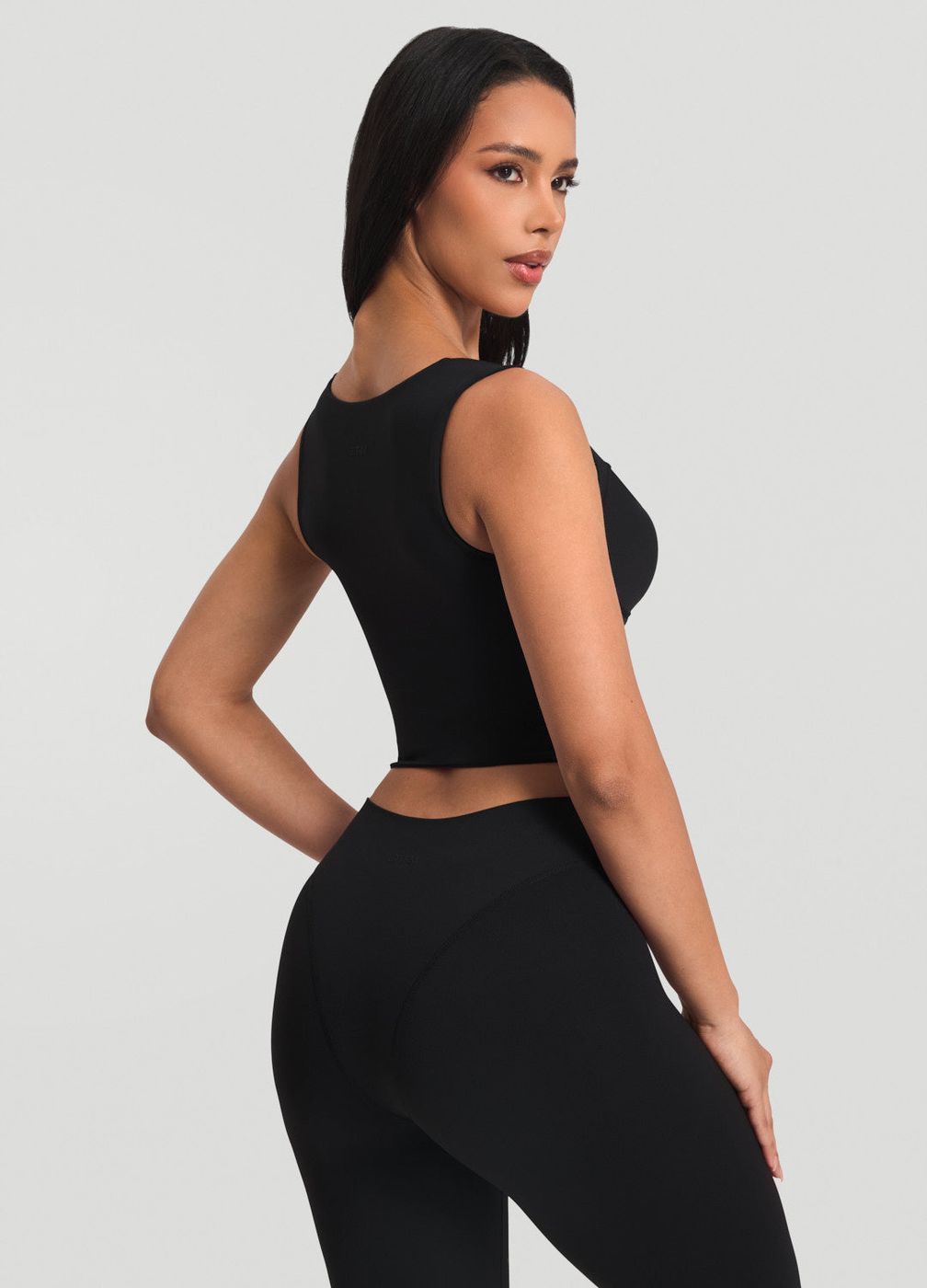
Corset Top
Cut to hang from the shoulder rather than grip the ribs.
Black, a Ink shade. The deepest bath we run. Navy and charcoal sit in this family.
Single jersey, compacted before cutting so the shrinkage is taken out at the mill rather than in your machine.
The shoulder seam sits off the joint, so raising an arm lifts cloth instead of lifting the hem — which is the actual test of a cropped or boxy top.
01Composition
- Extra-long-staple cotton
- 100%
- Weight
- 190 gsm
- Knit
- Single jersey, compacted
- Sizes
- XXS – 3XL
- Made in
- Delhi NCR, India
Specification provisional until the first production run is finalised.
02Construction
Set off the joint so the sleeve reads as part of the body.
Bound in the same jersey. No rib collar to stretch out and gape.
Compacted single jersey. The pale colourways are the ones that have to prove it, and they do.
03Size and fit
- Take your usual size. Sizing down turns a boxy cut into a fitted one, which is not what it is.
- Under 2% shrinkage in length after the first wash.
04Care
Cold, 30°C, inside out, with like colours.
Flat or on a line. A hot tumble dryer is the one thing that will shorten this garment's life.
Warm, on the reverse. Cotton takes a press; the rubber in the band does not.
Bleach, dry clean, or use fabric softener — softener coats the fibre and kills the absorbency you paid for.
05The fibre argument, in miniature
Staple length is how long an individual cotton fibre is before it is spun. Ordinary upland cotton runs around 26 mm. Extra-long-staple runs past 34 mm.
Read in fullA yarn is fibres twisted together. Too little twist and it sheds; too much and the cloth goes hard and loses stretch. The range sits deliberately toward the higher end, then the knitted fabric is compacted afterwards to bring the hand back.
Read in fullCotton shrinks. Compacting takes most of it out before the cloth is cut, but "most" is the operative word — expect under 2% in length on the first wash, and expect it to be over after that.
Read in full06Not for sale yet
Join the waitlist for this piece.
Tell us the size you expect to take. That is the only production data we have before we cut, so it genuinely decides how much of each size exists.